

2026 Toyota RAV4 Hybrid vs PHEV
The right RAV4 powertrain depends on where you park and how far you drive each day. If you want lower gas use without adding charging to your routine, the Hybrid fits. If you can plug in reliably and cover most weekday miles on electricity, the Plug-in Hybrid rewards that habit. We help Palestine, TX drivers sort this out every day, so browse our new vehicles and read on.
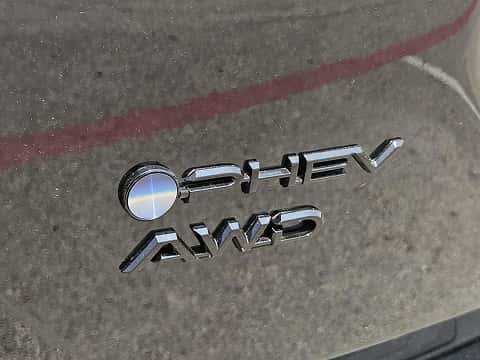
2026 Toyota RAV4 Hybrid vs PHEV: The Short Answer for East Texas Drivers
Charging access and driving habits matter more than which model posts the biggest efficiency number. A plug-in hybrid only pays off when you actually plug it in. Both models keep a gas engine, so you won’t have to plan a road trip around public chargers.
Quick Verdict: Who Should Choose Which
- Apartment or rental with no outlet? The RAV4 Hybrid is the better fit.
- A home garage or driveway outlet plus a modest daily round trip makes the RAV4 Plug-in Hybrid worth a serious look.
- Drivers who regularly cover long highway stretches and can’t charge consistently will find the RAV4 Hybrid keeps things simple.
- If strong acceleration is a priority and you can charge reliably, the RAV4 Plug-in Hybrid fits.
This is our own advice, based on how shoppers use these vehicles.
Side-by-Side Spec Snapshot
All figures are manufacturer-estimated unless noted. Results vary with driving style, temperature, load and terrain.
2026 Toyota RAV4 Hybrid
- Grades: LE, XLE Premium, SE, Woodland, XSE, Limited
- Drivetrain: FWD or AWD
- Engine: 2.5-liter four-cylinder with CVT
- Net hybrid system hp: 226 FWD, 236 AWD
- Fuel economy: up to 47 city/40 highway MPG
2026 Toyota RAV4 Plug-in Hybrid
- Grades: SE, Woodland, XSE, GR SPORT
- Drivetrain: standard electronic on-demand AWD with CVT
- Net combined hp: 324 (Toyota-estimated)
- Battery: 22.7 kWh
- Electric range: 54 miles on the SE (EPA-estimated)
How the RAV4 Hybrid and Plug-in Hybrid Work Differently
Both pair a gas engine with electric propulsion. The difference is battery size and how much electricity can replace gasoline.
Self-Charging RAV4 Hybrid: No Plug Required
The RAV4 Hybrid isn’t a plug-in. A full hybrid recharges its battery through regenerative braking and the gas engine. “Self-charging” still means you buy gasoline. You simply fuel up and drive, and the system manages the rest. Browse our 2026 RAV4 Hybrid inventory to see the available grades.
RAV4 Plug-in Hybrid: Battery, Charging and Daily Driving
The RAV4 plug-in hybrid battery size is 22.7 kWh. It charges from a standard outlet or a charging station and can often travel significant distances on electric power alone. When that range runs out, the hybrid engine takes over, so you are never stranded. Electric operation depends on conditions, battery status and climate-control demands, so don’t expect the engine to stay off on every short trip. See our 2026 RAV4 Plug-in Hybrid inventory.
Fuel Economy, Electric Range and Driving Feel
Gas MPG and electric range are separate measures, so compare them separately.
MPG and Electric Range Compared
The Hybrid’s combined ratings vary by grade. FWD LE, XLE Premium and SE get 43 MPG. LE AWD and SE AWD get 42. XLE Premium AWD, Limited AWD and XSE AWD get 41. Woodland AWD gets 38.
On the Plug-in Hybrid, the RAV4 PHEV range is 54 electric miles on the SE. Once it runs as a hybrid, combined MPG is 40 on SE and XSE, 37 on Woodland and 36 on GR SPORT. A PHEV driven without regular charging is not automatically more efficient than the Hybrid. Range and economy shift with speed, weather, terrain, accessory use and grade.
Power, Acceleration and Highway Passing
The Plug-in Hybrid delivers 324 net combined hp and goes 0–60 mph in 5.4 seconds, Toyota-estimated. That quickest acceleration comes from gas and electric power working together. The Hybrid’s 226 or 236 hp suits everyday driving well. Sport-focused equipment can change handling and ride, so drive the exact grade you’re considering.
How US-84, US-287 and TX-155 Commutes Affect Real-World Results
Look at your actual trip length, cruising speed and traffic rather than assuming a highway is the same end to end. Sustained higher speeds generally use electric range faster. Slower traffic and braking give more chances to recover energy. East Texas air conditioning can also trim range. These are practical considerations only, since we haven’t measured local results.
Price and Long-Term Value
Upfront Cost Difference and Fuel Savings Break-Even
The Plug-in Hybrid generally costs more up front, and AWD is standard on every grade. Make sure you compare similarly equipped vehicles; a base Hybrid against a top PHEV tells you little. For break-even, divide the extra upfront cost by your annual operating savings. Your inputs are miles driven on electricity, local electricity cost, gas price and the upfront difference. If savings are small, the PHEV may not pay for itself.
Whether the RAV4 Plug-in Hybrid is worth it depends on how often you charge. Resale value, financing, maintenance and insurance are separate variables. When you’re ready to run the numbers, apply for financing or contact us for a current quote.
Incentives, Registration and Insurance Considerations
The IRS states the New Clean Vehicle Credit is not available for vehicles acquired after September 30, 2025. Other programs change, so confirm current rules with the relevant agency or a tax advisor. Ask an insurer to quote comparable grades, and check Texas registration treatment for your exact vehicle.
Charging Reality: Can You Plug In Where You Live?
Reliable access where you park matters more than public chargers nearby.
A standard outlet can suit modest daily miles and long overnight parking. Level 2 charging takes approx. 3.5 hours on SE and GR SPORT (7 kW) and approx. 2.5 hours on Woodland and XSE (11 kW). DC fast charging is available on XSE and Woodland only, at approx. 30 to 35 minutes for 10–80%. Temperature, speed, accessories and battery condition all change those times.
If you rent, live in an apartment or have no garage outlet, the Hybrid is the better fit. Public charging can fill gaps, but the detours and waiting cut into its value.
Which RAV4 Fits Your Commute?
Ask yourself four questions. Can you plug in at home? How long is your daily round trip, including errands? How often do you take long highway drives? Will you really plug in every night?
Short Daily Commutes with Home Charging
If you live in Palestine and drive a short round trip with a dependable outlet, the Plug-in Hybrid is the strongest candidate. Leave a range margin for weather, highway speeds and surprise trips rather than matching your mileage to the maximum.
Long Highway Drives, Road Trips and No Home Charging
Both models road trip on gasoline. The Hybrid offers the simpler value if you rarely plug in. Access alone creates no savings if you don’t use it.
Shared Features, Safety and Warranty
TSS 4.0 is standard across Hybrid grades. The Plug-in Hybrid includes Pre-Collision System with Pedestrian Detection, Full-Speed Range Dynamic Radar Cruise Control with Eco Mode, Lane Departure Alert with Steering Assist, Lane Tracing Assist, Automatic High Beams, Road Sign Assist and Proactive Driving Assist. All of these are supervised driver aids that still need you paying attention.
Both models carry a 3-year/36,000-mile basic warranty, 5-year/60,000-mile powertrain, 8-year/100,000-mile hybrid-system and 10-year/150,000-mile hybrid-battery coverage. The RAV4 LE lists a 10.5-in. Toyota Audio Multimedia system with wireless Apple CarPlay and Android Auto.
Why Shop at Palestine Toyota
We’re East Texas’s preferred Toyota dealer, a full-service dealership offering new and used vehicles, expert service, maintenance and genuine parts. We can help you match trim-specific charging hardware to your parking situation. You’ll find us at 2728 TX-256 Loop, Palestine, TX 75801.
Test Drive Both RAV4 Models Today
Drive comparable grades on a familiar route. Call 903-480-9390 or contact us to confirm availability. Sales hours are Monday–Friday 9am–8pm and Saturday 9am–6pm, closed Sunday. Ask about:
- Highway passing feel
- Regenerative braking behavior
- Where the charge port sits
- How the PHEV behaves after electric range runs out
RAV4 Hybrid vs PHEV FAQs
Does the Hybrid need a plug? No. It recharges through regenerative braking and the gas engine.
Does the PHEV need a plug? It runs without one, but regular charging is what delivers its electric benefits.
Can the PHEV use gas and electricity? Yes. It runs as a hybrid once electric range is used.
Is AWD standard on the PHEV? Yes, on SE, Woodland, XSE and GR SPORT.
Which PHEV grades have DC fast charging? XSE and Woodland only.
How do conditions affect range? Temperature, speed, accessory use, driving conditions, battery condition and weather all change range and charging time.
Ready to compare? See our new vehicles or schedule a test drive today.
0 comment(s) so far on 2026 Toyota RAV4 Hybrid vs PHEV