

How to Prepare Your Toyota for Texas Storm Season
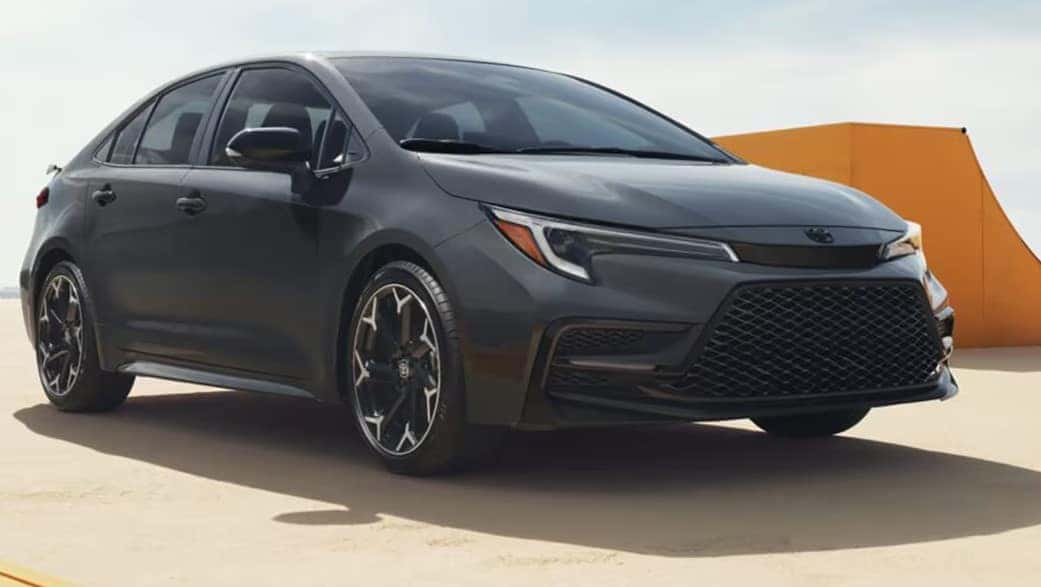
Texas weather doesn’t ease you in gently. One afternoon it’s clear skies, and by evening you’re watching golf-ball-sized hail bounce off your hood while the radar lights up in angry red. For Toyota owners across East Texas, preparing your vehicle before storm season is genuinely essential safety practice, especially in conditions that can be just as punishing as anything you’d face up north. If you’d like to get ahead of it now, schedule a service appointment with our team at Palestine Toyota before conditions change.
Storm season in Texas typically ramps up in spring and stretches well into fall, with heavy rainfall, hail, and flash flooding all in the mix. Your Toyota may be built tough, but even reliable vehicles need proactive attention before severe weather arrives. This guide covers mechanical checks, flood safety, and what to keep packed in your vehicle before the next storm rolls in.
Why Texas Storm Season Is a Wake-Up Call for Every Toyota Owner
Palestine and the surrounding East Texas region sit in a part of the state that’s particularly vulnerable to severe spring storms, supercell activity, and flash flooding. Roads that look passable one moment can become dangerous within minutes once heavy rain moves through. For many drivers, the wake-up call only comes after a storm causes vehicle damage or a close call on a flooded road.
Treating storm season the way you’d approach any seasonal vehicle maintenance makes a real difference. Cold weather prep centers on battery health, antifreeze, and traction. Storm-season prep shifts that attention toward visibility, braking, and flood awareness. Getting those checks done before storms arrive rather than after puts you in a far better position.
Essential Mechanical Checks Before Storm Season Hits
Vehicle readiness for storm season comes down to the systems that directly affect how well you see, brake, and control your Toyota in wet or severe conditions. These are the areas worth prioritizing before the season gets underway.
Tires, Brakes, and Wet-Weather Performance
Tires are your first line of defense on rain-slicked Texas roads. Tread depth determines how effectively a tire channels water away from the contact patch, and worn tread dramatically increases your risk of hydroplaning. A quick penny test, inserting a penny into the tread grooves with Lincoln’s head facing down, tells you whether you have enough depth left. If you can see his entire head, it may be time to replace the tire because it has reached the end of its useful life. Also inspect for cuts, bulges, cracks, or uneven wear, and don’t forget to check the spare.
Tire pressure matters just as much. Underinflated tires reduce handling precision and increase stopping distances, both of which become more of a problem in wet weather. Check your pressure against the recommended PSI on the sticker inside your driver-side door, not the number printed on the tire sidewall.
Brake inspection should happen at the same time. Worn pads or rotors extend stopping distances considerably on wet roads. If you’ve noticed squealing, grinding, or a soft feel in the brake pedal, getting a brake inspection before storm season isn’t optional. Our service team at Palestine Toyota uses genuine Toyota OEM parts for brake repairs, so you’re not gambling on aftermarket components when your safety is on the line.
Battery, Lights, and Under-Hood Readiness
Electrical systems work harder during heavy rain events. Running wipers, defrosters, and lights at once puts real strain on a battery that’s already borderline, and it will often fail at the worst possible moment. Have yours tested for charge and connection integrity, check the terminals for corrosion or looseness, and replace it proactively if it’s approaching three to five years old or testing weak under load.
All exterior lights deserve a quick walk-around inspection. A full set of working lights, headlights, taillights, brake lights, turn signals, and hazard lights, matters more than most drivers realize during a heavy storm. Reduced visibility is a real hazard, and other drivers are counting on your lights just as much as you’re counting on theirs. While you’re at it, confirm your under-hood fluid levels are topped off, coolant and windshield washer fluid included, and inspect belts and hoses for cracking or wear. Heat and humidity accelerate deterioration in Texas.
Windshield Wipers and Visibility Essentials
Nothing compromises safety faster during a Texas downpour than wiper blades that streak or skip across the glass. The Texas heat breaks down rubber compounds faster than in cooler climates, so blades may need replacement more frequently than the general guideline suggests. Lift your wiper arms and run your finger along the edge of each blade. Any roughness, cracking, or uneven surface means it’s time for a swap.
Your defroster system, both front and rear, should be tested before storm season, since heavy humidity can fog up glass quickly even when temperatures are mild. Fill your washer fluid reservoir and check your windshield for chips or cracks. Those small imperfections can spread during hail impacts or sudden temperature shifts, turning a minor fix into a full replacement. Clear visibility matters more than almost any other factor when you’re driving in storm conditions.
How to Protect Your Toyota from Hail and Wind Damage
Smart Parking Strategies When Severe Weather Is Forecast
When hail is in the forecast, covered parking is your best option. A garage, carport, or parking structure can prevent the kind of dent damage that a severe hailstorm leaves behind. If covered parking isn’t available, a purpose-made hail protection cover can reduce the severity of impacts, though it’s not a substitute for actual shelter.
Choosing where you park relative to trees and structures also matters. High winds can bring down large limbs or send loose objects into your vehicle. Parking away from trees, power lines, and older structures reduces that exposure. If a low-lying area is nearby, move your vehicle to higher ground before flooding becomes a concern. When possible, position the nose of your vehicle away from the expected direction of strongest wind or incoming debris.
Understanding the Limits of Toyota Safety Technology in Extreme Conditions
Toyota vehicles are equipped with safety technology that genuinely improves performance in challenging conditions. Traction control and vehicle stability control help maintain grip on slick surfaces. On many newer models, Toyota Safety Sense adds pre-collision warnings, lane departure alerts, blind spot monitoring, and parking assistance. These are real, meaningful features.
They also operate within physical limits that no technology can override. Pre-collision sensors and lane-detection cameras can be impaired by heavy rain, hail, or flying debris. Traction control helps prevent wheel spin but cannot eliminate the risk of losing control on flooded roads.
Drivers shouldn’t treat these systems as justification for traveling in severe weather. Slow down, give yourself more following distance, and keep your inputs on the steering wheel and brakes smooth when roads are wet. When conditions become extreme, waiting them out is often the smartest call.
Flood Safety Every Texas Toyota Driver Should Know
Flash flooding is one of the most dangerous and unpredictable elements of Texas storm season. East Texas terrain, with its creek beds, low-water crossings, and areas of limited drainage, can flood quickly and with little visual warning.
Water Depth Guidelines and When to Turn Around
Emergency management frameworks from the National Weather Service and FEMA are consistent on this point: Turn Around, Don’t Drown. According to those guidelines, just six inches of flooding can cause you to lose control of your vehicle. One foot of water can float most vehicles. Two feet of rushing water can carry away most passenger cars and SUVs.
The challenge is that water depth is hard to judge from inside a vehicle. Road markings, guardrails, and familiar landmarks disappear beneath floodwater. If you approach a flooded road and cannot see the pavement surface or determine the depth with confidence, the correct decision is always to turn around and find an alternate route. Heavier vehicles are not immune; water can stall engines, damage electronics, and cause loss of control regardless of vehicle size. No destination is worth the risk.
What to Do If You’re Caught in Rising Floodwater
If water begins rising around your vehicle, don’t wait to see whether it will recede. If it’s safe to do so, reverse out the way you came. If your vehicle stalls in water, do not attempt to restart it. Exit only when it’s safe and you’re not in immediate danger from moving water or electrical hazards. A seat belt cutter and window breaker tool, kept in your center console or door pocket, can be valuable if water pressure makes your doors difficult to open.
Once you’ve reached safety, contact emergency services if needed and document the situation with photos before moving the vehicle. Do not attempt to drive a flood-exposed vehicle until it’s been thoroughly inspected by a certified technician. Water intrusion into the engine can cause internal damage that won’t show up right away.
Building a Storm Emergency Kit for Your Toyota
Beyond the mechanical checks, having the right gear in your Toyota gives you real options if you’re caught in a storm or stranded after one. A practical kit for East Texas conditions should account for heat exposure and potentially long wait times, not just cold-weather scenarios.
Start with bottled water, nonperishable snacks, a first-aid kit, and a flashlight with extra batteries. Add a portable phone charger and cable, a rain poncho, gloves, and a blanket or emergency cover. Keep a paper map in case GPS or cell service fails, and store copies or photos of your registration and insurance in a waterproof pouch.
For Texas-specific conditions, add sunscreen, a hat, a window-cleaning cloth for post-storm grime, and an emergency contact list written on paper. On the vehicle side, jumper cables or a portable jump starter and a tire inflator or compact air compressor cover the most common post-storm roadside situations. Keep everything organized in a container that’s easy to grab if you need to switch vehicles or evacuate quickly.
Scheduling a Pre-Storm Season Service at Palestine Toyota
Having certified technicians go through your Toyota systematically before the season hits provides a level of confidence that’s hard to match on your own. A professional inspection catches things that are easy to overlook: a brake pad close to the wear limit, a battery that tests weak under load, a wiper blade that looks fine but smears the moment rain hits the glass.
Our service department at Palestine Toyota is staffed by Toyota-certified technicians who handle tire inspections, brake repairs, battery checks, wiper replacement, fluid services, and a full lighting and leak inspection, all in one visit using genuine Toyota OEM parts. We recommend scheduling a service appointment before storms begin so there’s time to repair worn parts or order replacements if needed.
You can also reach our service team at (903) 480-9380 or contact Palestine Toyota online to ask questions or set up your pre-storm visit. East Texas weather can move fast. The best time to get your Toyota ready is before the forecast turns severe.
0 comment(s) so far on How to Prepare Your Toyota for Texas Storm Season