

How To Replace My Toyota Key Fob?
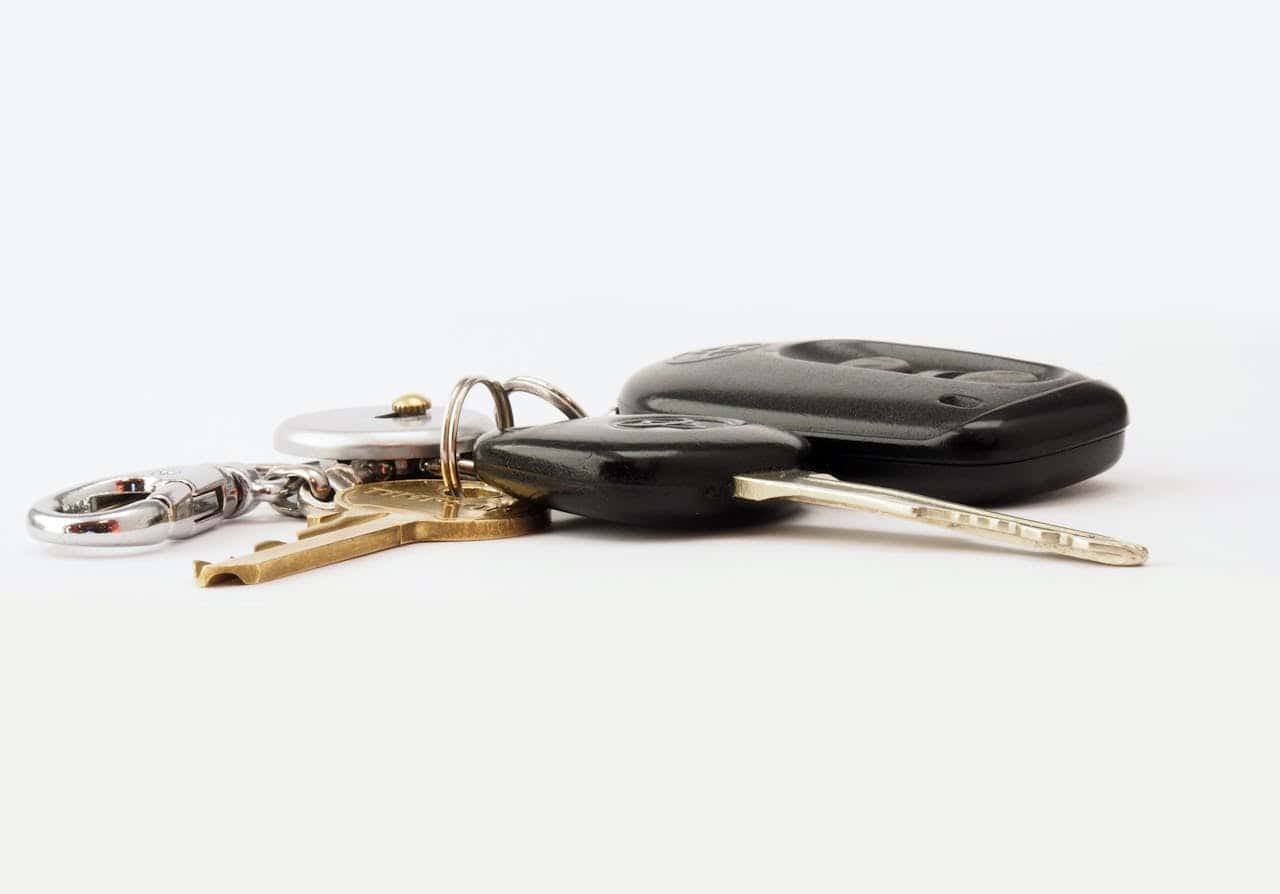
Photo by Brett Jordan: https://www.pexels.com/photo/car-keys-on-white-surface-842528/
Reaching for your Toyota key fob only to find it unresponsive can derail your entire day. You might be dealing with a weak battery, physical damage, or a completely lost fob. The solution isn’t always straightforward – different key fob types require different approaches, and what works for a 2008 Corolla won’t work for a 2020 RAV4.
At Palestine Toyota, we help East Texas drivers navigate key fob issues daily as well as replace them for free! This guide walks you through identifying your key fob type, recognizing when replacement is necessary, and understanding which solutions match your specific situation. If you’re unsure about your next steps, contact our team for personalized guidance based on your vehicle’s model and year.
Understanding the Different Types of Toyota Key Fobs
Toyota has evolved its key fob technology significantly over the past two decades. This creates distinct categories that determine how you’ll approach replacement. Knowing which type you have shapes every decision that follows.
Traditional Key with Remote
The traditional key fob combines a physical metal key with remote functionality. You’ll recognize this type by its mechanical key that turns in the ignition, paired with buttons that lock and unlock doors, pop the trunk, and trigger the panic alarm. These fobs commonly appear in pre-2010 Corolla, Camry, and Tacoma models.
Traditional fobs may contain an immobilizer chip that prevents the engine from starting unless it recognizes the chip’s unique code. This chip doesn’t affect the remote buttons but plays a crucial role in starting your vehicle. Traditional key fobs with metal-key ignitions often support owner programming. This makes them more DIY-friendly when you need a replacement.
Smart Key and Push-to-Start Proximity Key
Smart keys represent Toyota’s advanced keyless entry and ignition system, first introduced in 2004. If your vehicle has push-button start, you’re using a smart key. These sophisticated fobs let you unlock doors by approaching the vehicle with the fob in your pocket and start the engine by pressing a button while the fob remains nearby.
Despite their wireless capabilities, smart keys include a concealed physical key that slides out for emergencies. This metal key accesses your door if the fob battery dies. Here’s a helpful feature: if your smart key battery fails, you can still start your vehicle by holding the fob directly against the push-to-start button.
Models like the RAV4, Highlander, Prius, and Sienna typically feature smart key systems. These fobs can’t be self-programmed. They require dealer diagnostic tools and PIN codes that exist only in dealer software systems.
How to Identify Your Toyota Key Fob Type by Model and Year
Your owner’s manual provides the most definitive answer. It lists your key system under vehicle specifications. The VIN plate under your windshield or the door jamb sticker also contains codes that reveal your key type.
Physical inspection offers quick clues. Do you insert a key into the steering column or press a button to start? Traditional keys turn in ignitions; smart keys work with push-button start. Look for blade markings on your fob or examine whether it contains a concealed physical key.
Timeline provides general guidance. Pre-2009 Toyota models often use traditional keys, while 2010 and newer vehicles typically feature smart keys. This varies by model and trim level. A base model Tacoma from 2012 might have a traditional key, while a higher trim from the same year could include smart key technology.
Signs Your Toyota Key Fob Needs Replacement
Distinguishing between a simple battery issue and a situation requiring complete replacement prevents unnecessary spending.
Battery-Related Warning Signs
A weakening battery announces itself through specific symptoms. You’ll notice decreased range first. Your fob works when you’re standing right next to your vehicle but fails from 10 feet away. Intermittent functionality follows, where the fob responds sometimes but not others. Some Toyota models display a “key battery low” warning on the dashboard.
Completely unresponsive buttons suggest either a dead battery or deeper issues. Before assuming you need a new fob, try replacing the battery. Most Toyota key fobs use CR2032 3V batteries, though some models require CR1632 batteries. The battery type is labeled on the original battery inside your fob.
Indicators You Need a Complete Key Fob Replacement
Physical damage tops this list. Cracked casings, water exposure, or visible damage to the circuit board all necessitate replacement. If your key fob has taken a hard fall or spent time in a washing machine, internal components likely suffered damage.
A lost or stolen key fob requires replacement plus deactivation of the lost fob from your vehicle’s system to prevent unauthorized access. Our certified technicians handle this along with programming your new fob.
Persistent recognition failures after battery replacement signal internal problems. When your vehicle consistently fails to detect your fob despite a fresh battery, the fob’s transmitter or internal circuitry has likely failed.
Your Toyota Key Fob Replacement Options Explained
Understanding replacement options helps you make informed decisions aligned with your situation and budget.
Simple Battery Replacement
Battery replacement offers the quickest, most affordable solution. The process involves pressing the metal button on the side of the fob to release the physical key, inserting a flat tool into the slot to pop open the casing, gently removing the green circuit board, and replacing the battery while noting its orientation. Positive and negative positioning matters. Installing the battery backward renders your fob useless.
This straightforward fix resolves most key fob issues, particularly for traditional key systems. Battery replacement only addresses power-related problems. If your fob shows physical damage or refuses to sync after battery replacement, you’re facing a more complex situation.
OEM vs. Aftermarket Key Fobs
When you need a complete replacement, you’ll choose between OEM (Original Equipment Manufacturer) and aftermarket options. OEM key fobs come directly from Toyota, guaranteeing compatibility with your vehicle’s systems. They represent the safer choice, particularly for smart key systems where programming complexity demands precision.
Aftermarket key fobs cost less but carry significant risks. Incompatible aftermarket fobs can put your vehicle’s onboard computers into lockdown mode. This is a security feature designed to prevent unauthorized access. Lockdown mode may require replacement of multiple computer modules, transforming a cost-saving measure into an expensive mistake.
We’ve seen Toyota owners in Palestine, Texas learn this lesson the hard way. The initial savings from an aftermarket fob evaporate when programming fails or system lockdowns occur. OEM fobs eliminate these risks while protecting your vehicle’s warranty coverage.
Programming and Syncing Requirements
Programming separates traditional and smart key systems dramatically. Traditional key fobs with metal-key ignitions often support owner programming through specific button sequences. Your owner’s manual details these procedures if your vehicle supports them.
Smart key and push-button start systems typically require dealer diagnostic tools, PIN codes, and security passkeys. While some third-party programming services exist, attempting DIY programming on these systems risks triggering security lockouts or voiding your warranty. This makes a professional dealer service the most reliable and safest path. Professional service isn’t just recommended for smart keys, it’s necessary.
At our service department, we use official Toyota diagnostic equipment that communicates directly with your vehicle’s security systems. This technology ensures proper programming while maintaining your warranty coverage and preventing compatibility issues.
DIY Key Fob Repairs: What You Can and Can’t Do Yourself
Certain key fob tasks fall within DIY capabilities, while others demand professional expertise. Recognizing this distinction saves time, money, and potential damage.
What You Can Handle at Home
Battery replacement represents the most DIY-friendly task. You’ll need a small flathead screwdriver or plastic prying tool to open the fob casing without causing damage. Work carefully around the circuit board since these components are fragile and easily damaged. Dispose of old batteries properly at designated recycling locations.
Programming traditional key fobs sometimes falls within owner capabilities, but success depends on your specific model and year. Follow your owner’s manual instructions precisely, as sequences vary between models. If the first attempt fails, avoid repeated tries that might trigger security lockouts.
When to Stop and See a Professional
Understanding your limitations prevents escalating simple issues into complex problems. DIY attempts on smart key systems waste time and potentially damage programming integrity. Water-damaged fobs rarely respond to simple battery replacement. Physical damage to circuit boards signals the end of DIY territory.
Improper programming or installation could affect your vehicle’s warranty coverage, particularly if attempted modifications trigger system alerts. Working with certified technicians who have official Toyota tools protects both your investment and your vehicle’s warranty status.
Troubleshooting Common Toyota Key Fob Issues
Before pursuing replacement, several troubleshooting steps can resolve issues that appear terminal at first glance.
Quick Fixes to Try Before Calling a Technician
Start with the obvious: check your battery. Pop open the fob and inspect the battery’s position since loose batteries lose connection with the circuit board. Examine the battery contacts for corrosion, which appears as white or greenish buildup. Clean contacts gently with a pencil eraser or fine-grit sandpaper.
Range problems often stem from interference rather than fob failure. Try your fob from different locations around your vehicle. If it works from the driver’s door but not the rear, you’re likely experiencing temporary signal interference. Electronic devices, wireless signals, and certain building materials can disrupt key fob communication temporarily.
Reprogram your fob if it lost sync with your vehicle’s system. This sometimes happens after battery replacement or if the fob sat unused for extended periods. For traditional keys, consult your owner’s manual for the specific programming sequence. For smart keys, you’ll need professional assistance.
When the Problem Runs Deeper
Persistent issues after trying these steps indicate problems requiring professional diagnosis. Our technicians can determine whether your vehicle’s receiver has failed, whether the fob’s transmitter has worn out, or whether deeper electrical issues affect your keyless entry system.
Why Professional Key Fob Replacement Is the Recommended Path
Professional key fob replacement offers advantages that often outweigh the convenience of self-service approaches.
Expert Diagnosis and Official Tools
Certified technicians bring expertise that extends beyond simple programming. We diagnose the underlying cause when key fobs fail, distinguishing between fob issues, vehicle receiver problems, and electrical system complications. This diagnostic capability prevents wasted money on unnecessary replacements.
Official Toyota tools make the difference for smart key programming. These diagnostic systems access security codes and programming protocols unavailable to the public, ensuring your new key fob integrates seamlessly with your vehicle’s systems.
Warranty Protection and Time Savings
Professional installation and programming documentation protects your vehicle’s warranty coverage. DIY approaches or aftermarket parts can void warranty protections. This consideration gains importance for newer vehicles with substantial remaining warranty coverage.
Professional service eliminates the trial-and-error process that often accompanies DIY attempts. We complete the entire process in a single visit, getting you back on the road quickly.
Schedule Your Service Today
At Palestine Toyota, our service center combines technical expertise with genuine Toyota parts to deliver reliable key fob solutions. Our certified technicians understand the specific requirements of each Toyota model and can schedule your appointment at times that work with your schedule. We serve the entire East Texas community with the same commitment to quality and customer service that has made us a trusted resource for Toyota owners throughout the region.
Key fob issues don’t have to disrupt your routine. Whether you need a simple battery replacement or complete smart key programming, understanding your options and knowing when to seek professional assistance keeps you mobile and prevents unnecessary complications.
0 comment(s) so far on How To Replace My Toyota Key Fob?