

Toyota Engine Performance Warning Signs Are On: What to Do in Palestine, TX
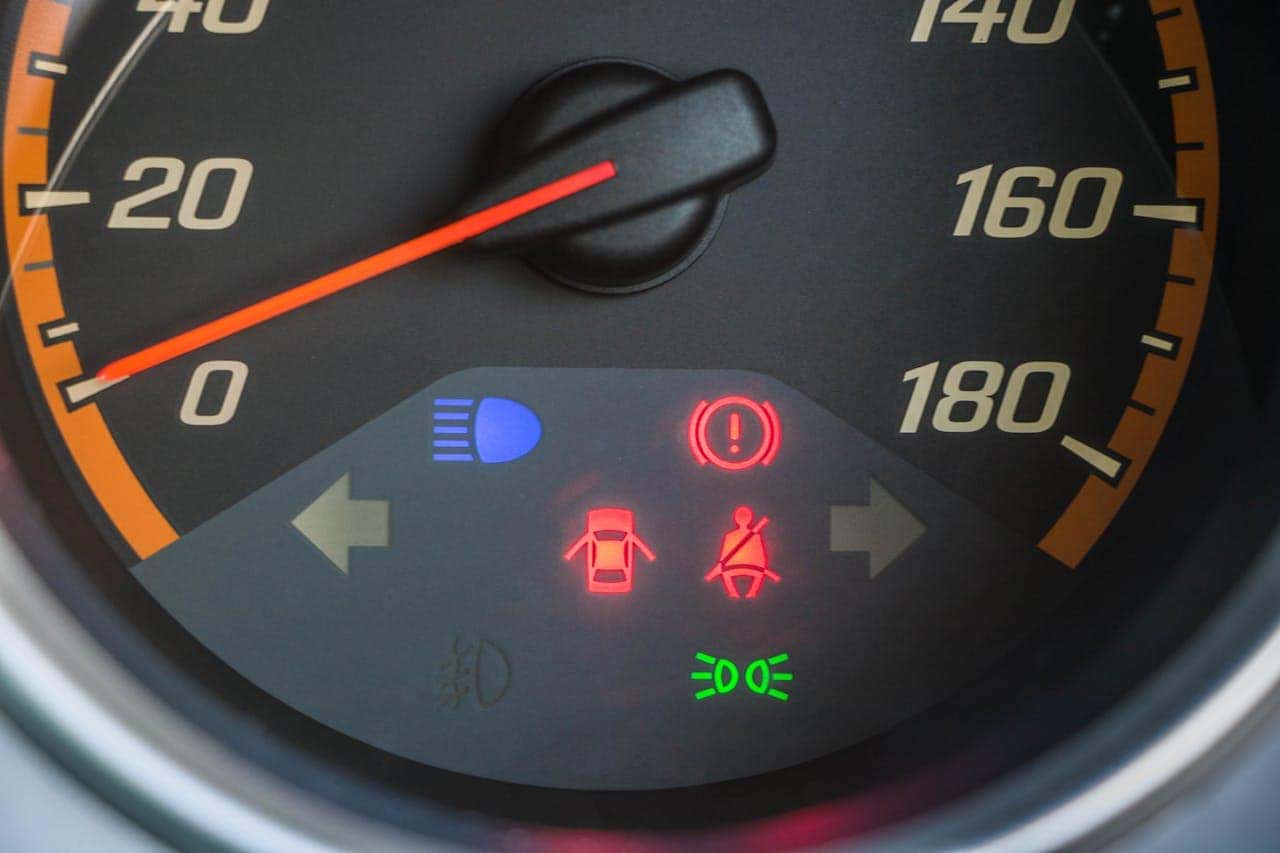
Photo by Srattha Nualsate: https://www.pexels.com/photo/a-speedometer-with-door-hand-break-and-seatbelt-sign-13060851/
When a warning light suddenly appears on your Toyota’s dashboard, it can catch you off guard. At Palestine Toyota, we understand that moment of concern when your dependable car starts signaling something’s not right. Your Toyota’s warning lights are your vehicle’s primary communication system, flagging everything from routine maintenance needs to serious safety concerns. Understanding these signals and responding appropriately keeps your car running well and you safe on East Texas roads. This guide explains what each engine performance warning light means, how to distinguish urgent alerts from routine reminders, and when to schedule a service appointment with our certified technicians.
Understanding Your Toyota’s Engine Warning Light System
Toyota engineers designed your vehicle’s warning light system to provide straightforward information about your engine’s health. These dashboard indicators monitor vital systems, from emissions controls to fluid levels, triggering specific warnings when sensors detect readings outside normal ranges. This early warning system lets you address small problems before they become costly repairs.
Modern Toyotas communicate using several warning lights, each representing different systems and urgency levels. Your car constantly monitors engine performance, emissions output, cooling efficiency, oil quality, and electrical charging status.
How Toyota’s Color-Coded Warning System Works
Toyota uses a standard color system that indicates urgency. Red warning lights signal immediate danger requiring you to stop driving safely as soon as possible. These critical alerts indicate dangerously low oil pressure or serious overheating that can damage your engine within minutes.
Yellow or amber lights signal less urgent problems requiring attention soon. A steady Check Engine Light fits this category, indicating you should schedule diagnostics to prevent escalation. Green or blue lights provide information, confirming systems are operating properly.
This color system helps you prioritize your response. Red means stop immediately, yellow means schedule service soon, and informational colors require no action.
Critical Engine Performance Warning Lights and What They Mean
Several engine performance warning lights require immediate attention since they directly affect your engine’s ability to run safely and efficiently.
Check Engine Light (Malfunction Indicator Lamp)
The Check Engine Light (officially called the Malfunction Indicator Lamp) ranks as one of the most common but misunderstood dashboard indicators. This amber light monitors your engine’s emissions system and overall performance through the OBD-II diagnostic system.
How this light behaves provides crucial urgency information. A steady Check Engine Light indicates issues requiring attention soon but typically allows continued driving to our service department. Common causes include loose gas caps, failed oxygen sensors, or minor EVAP system leaks.
A flashing Check Engine Light signals severe engine trouble requiring immediate service. This pattern indicates active engine misfires dumping unburned fuel into your exhaust system, which can quickly damage your catalytic converter. If you see a flashing Check Engine Light, stop driving immediately and call us.
Engine Temperature and Oil Pressure Warning Lights
Your engine temperature warning light displays a thermometer symbol in water. This red indicator means your engine has exceeded safe operating temperatures. Causes include low coolant levels, failed thermostats, cooling system leaks, or mechanical problems creating excessive heat.
The oil pressure warning light shows an oil can icon with a droplet. This critical red warning indicates dangerously low oil pressure, meaning inadequate engine lubrication. Running without proper oil pressure causes rapid bearing wear and potential engine seizure. Common causes include low oil level, oil pump failure, or sensor problems.
Both red warning lights require immediate response. Pull over safely, shut off your engine, and arrange towing rather than risk catastrophic damage.
Battery and Charging System Warning Light
The battery warning light displays a small battery with positive and negative terminals. This indicator typically signals charging system problems rather than just battery issues. When illuminated, your alternator isn’t charging your battery properly, meaning your vehicle runs only on stored battery power.
Without alternator charging, your battery will eventually drain, causing electrical power loss and stalling. You might notice dimming lights, weaker accessories, or sluggish performance. Common causes include alternator failure, loose or damaged drive belts, or corroded electrical connections.
What to Do When an Engine Warning Light Appears
Your response should match the warning light’s urgency level. Understanding the difference between immediate threats and scheduled maintenance needs helps you respond confidently.
Responding to Red vs. Yellow Warning Lights
Warning light color directly indicates your action timeline:
| Warning Light Color | Urgency Level | Recommended Action |
| Red | Immediate (oil pressure, high temperature) | Stop safely, do not drive further, contact dealership ASAP |
| Yellow/Amber | Check soon (steady Check Engine Light) | Continue driving cautiously, schedule diagnostics to prevent escalation |
When red warning lights activate, pull over as soon as safely possible and turn off your engine. Call us immediately at 903-480-9390 to arrange service. Driving with critical red warnings risks turning repairable issues into complete engine failure.
Yellow warning lights allow time to reach professional service safely but shouldn’t be ignored. Schedule diagnostics quickly, since yellow warnings often precede more serious problems.
Safe Driving Practices With an Active Warning Light
When warning lights appear, drive conservatively. Slow down to reduce engine demands and avoid hard acceleration or heavy loads. Turn off non-essential electrical systems when battery warnings appear.
Watch for additional warning lights. Multiple indicators suggest serious issues requiring immediate professional attention. Note any unusual sounds, smells, or performance changes accompanying the warning.
Plan your route to reach service facilities by the most direct path, avoiding highways or remote areas where breakdowns create complications.
Common Causes Behind Toyota Engine Warning Lights
Understanding typical triggers helps you anticipate and potentially prevent these issues. Many causes stem from normal wear or deferred maintenance rather than major failures. Regular service at Palestine Toyota catches developing problems before they trigger warnings.
| Warning Light | Common Causes |
| Check Engine Light | Loose/faulty gas cap, oxygen sensor failure, misfires, EVAP leaks, catalytic converter issues |
| Engine Temperature | Low coolant, thermostat malfunction, oil deficiency, mechanical overheating |
| Oil Pressure | Low oil level/pressure, sensor fault |
| Battery/Charging | Alternator failure, battery issues |
The Check Engine Light has the broadest range of causes. Loose or faulty gas caps are most common and easiest to fix. Oxygen sensors monitoring exhaust emissions eventually wear out. Engine misfires from worn spark plugs, damaged ignition coils, or fuel delivery problems also trigger this light. EVAP system leaks and failing catalytic converters represent other frequent causes.
Temperature warnings typically indicate cooling system problems. Low coolant levels from leaks or poor maintenance top the list. Failed thermostats or oil problems reducing lubrication both create excessive heat. East Texas heat and humidity stress cooling systems, making seasonal maintenance especially important locally.
Oil pressure warnings usually mean insufficient oil or circulation problems. Regular oil changes using genuine Toyota parts prevent many oil-related warnings. Battery and charging warnings most commonly result from alternator failures or battery deterioration.
Basic Troubleshooting You Can Do at Home
Simple checks can identify obvious problems before professional diagnosis. These steps address the most common, easily fixed causes. Keep in mind that persistent warnings always require professional OBD-II scanning to identify specific fault codes.
- Check your gas cap first when the Check Engine Light appears. This single most common cause takes seconds to verify. Remove the cap, inspect the rubber seal for damage, and retighten until you hear multiple clicks. This often resolves Check Engine Light issues, though the light may take several drive cycles to reset.
- Check oil level using the dipstick when oil pressure warnings activate. With your engine cool on level ground, pull the dipstick, wipe it clean, reinsert fully, and check the level. If low, add the manufacturer-recommended grade. However, if the warning persists after adding oil, don’t drive.
- Inspect coolant level when temperature warnings appear. Check the overflow reservoir when the engine is completely cool to avoid burns. If low, add a 50/50 mix of coolant and distilled water. Low coolant often indicates leaks requiring professional repair.
These basic checks handle simple oversights but never replace professional diagnostics. Persistent warning lights require our certified technicians’ expertise and proper diagnostic equipment.
When to Seek Professional Service in Palestine, TX
Understanding when professional service becomes necessary protects your vehicle and warranty. Our service center at 2728 TX-256 Loop specializes in Toyota diagnostics and repairs, with certified technicians trained specifically on your vehicle’s systems.
When Red Warning Lights Demand Immediate Action
Seek immediate professional service when any red warning light appears. These critical indicators signal conditions causing rapid, expensive damage if you continue driving. Our service department operates Monday through Friday from 7am to 6pm and Saturdays from 8am to 2pm.
Scheduling Diagnostics for Persistent Yellow Lights
Schedule diagnostics quickly when yellow warning lights persist after basic troubleshooting. Our OBD-II diagnostic equipment reads specific fault codes stored in your vehicle’s computer, pinpointing exact issues rather than guessing based on symptoms.
Multiple simultaneous warning lights always require immediate professional attention, typically indicating serious issues affecting multiple systems or a single critical failure with widespread effects.
The Value of Professional Service
We recommend professional service over DIY repairs for any issue beyond basic maintenance. Complex diagnostics and repairs without proper training can void warranties, create safety hazards, or cause additional damage. Our genuine Toyota parts and certified expertise ensure repairs maintain your vehicle’s performance, safety, and value.
When engine warning lights appear, you gain valuable insights into your Toyota’s health that help prevent minor concerns from becoming major failures. Understanding these signals and responding appropriately protects your investment and ensures reliable transportation. Our team at Palestine Toyota provides expert diagnostics, certified repairs, and genuine Toyota parts whenever warning lights demand professional attention. Reach out to our team today to experience certified Toyota service for your vehicle’s performance and longevity.
Frequently Asked Questions About Toyota Engine Warning Lights
What does a flashing Check Engine Light mean? A flashing Check Engine Light indicates severe engine trouble requiring immediate attention. This pattern signals active engine misfires dumping unburned fuel into your exhaust system, which can quickly damage your catalytic converter. Stop driving immediately and contact our service department.
Is a steady Check Engine Light urgent? A steady Check Engine Light is less critical than a flashing pattern but still requires attention. While you can typically continue driving safely to reach service, schedule diagnostics promptly to prevent issues from escalating.
Can I drive with the oil pressure light on? Never drive with the oil pressure warning light illuminated. This red indicator signals dangerously low oil pressure, meaning inadequate engine lubrication. Continued operation causes rapid bearing wear and potential engine seizure. Stop driving as soon as safely possible and arrange towing.
Why is my battery light on? The battery warning light typically indicates your alternator isn’t properly charging your battery. Common causes include alternator failure, damaged drive belts, or electrical connection problems. Your vehicle will eventually lose power as the battery depletes. Schedule service promptly to diagnose and repair the charging system.
What if multiple warning lights appear simultaneously? Multiple warning lights signal serious issues needing immediate professional diagnosis. This pattern may indicate a single critical failure affecting multiple systems or several related problems. Contact us immediately for guidance. Our certified technicians have the expertise and diagnostic equipment to accurately identify interconnected problems and recommend appropriate repairs.
0 comment(s) so far on Toyota Engine Performance Warning Signs Are On: What to Do in Palestine, TX